
Reserve Price in Conducting and Completing a Sale by Auction
Posted by SkillMaker in Feb, 2026
What is a concise description of the reserve price in an auction?

The reserve price is a pre-determined minimum amount that a seller is willing to accept for an item up for auction. Set privately before the auction begins, this price remains undisclosed to bidders, safeguarding the seller’s financial interests by ensuring the item won’t sell for less than its worth.
Listen to this article as a podcast
Why do people in the Real Estate industry need to understand the reserve price?
In the Real Estate industry, understanding the reserve price is crucial because it ensures that properties are not sold below an acceptable threshold, protecting the seller’s financial interests. It also guides agents in setting realistic expectations for sellers and in determining the auction strategy, contributing to successful property transactions.
“A well-set reserve price balances seller expectations with market demand, facilitating a successful auction outcome.”
What are the key components or elements of the reserve price in an auction?
Key components of the reserve price in an auction include:
- Market Research: Understanding current market conditions to set a competitive price.
- Selling Costs: Considering fees and expenses related to the sale.
- Seller’s Objectives: Aligning the reserve price with the seller’s financial goals.
- Property Valuation: Obtaining a professional valuation to inform the reserve price.
- Confidentiality: Keeping the reserve price undisclosed to maintain auction integrity.
What key terms, with descriptions, relate to the reserve price in an auction?

Registered Trademark®
- Passed In: When a property doesn’t meet the reserve price and remains unsold at auction.
- Vendor Bid: A bid made by the auctioneer on behalf of the seller to encourage further bidding.
- Bidders Number: A unique number assigned to each bidder to maintain anonymity.
- Opening Bid: The first bid made in an auction setting the baseline for subsequent offers.
- Final Bid: The highest bid at the close of the auction process.
Who is typically engaged with setting or knowing the reserve price in an auction?
The seller, real estate agents, and auctioneers are typically involved in setting the reserve price in an auction. These parties collaborate to determine a strategic price that meets the seller’s expectations while attracting competitive bidding. Auctioneers are entrusted with maintaining the confidentiality of this price during the auction process.
How does the concept of reserve price align or integrate with other components of the Real Estate industry in Australia?
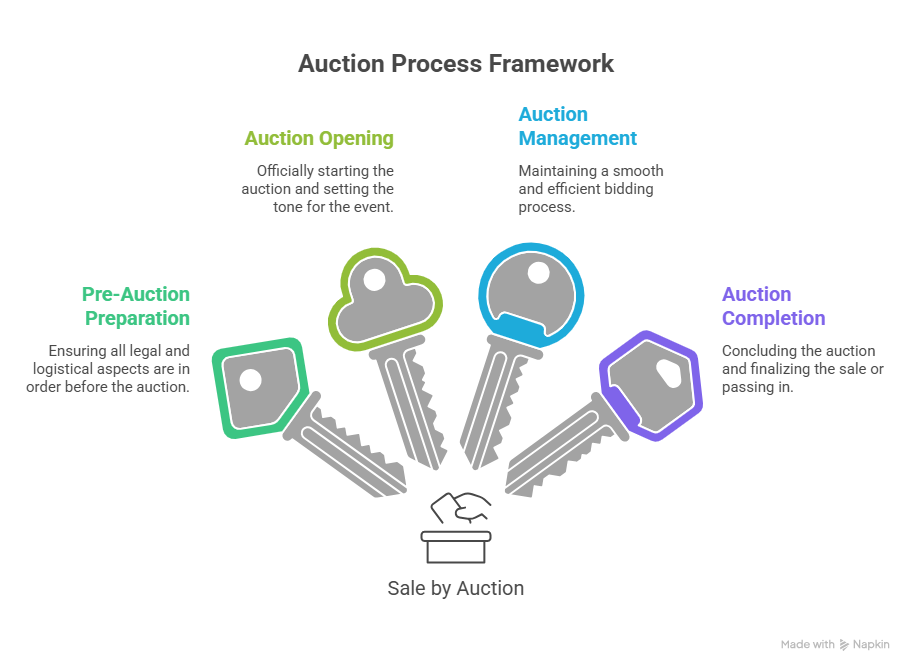
In the Real Estate industry, the reserve price complements marketing strategies, negotiating techniques, and valuation methods. It aids in determining the property’s minimum worth and aligns stakeholder expectations, thus ensuring a systematic and calculated approach to auctioning properties that supports the industry’s broader goal of achieving successful sales outcomes.
Where can the student go to find more information about the reserve price in auctions?
- General rules for conducting an auction of goods
- The law and authority of auctioning real property
- Skillmaker
What job roles would be knowledgeable about the reserve price in an auction?
Roles include:
- Real Estate Agents
- Auctioneers
- Property Valuers
- Sellers
- Real Estate Consultants
What is the reserve price in an auction like in relation to sports, family, or schools?

In sports, the reserve price is akin to a team’s baseline score requirement in a competition, ensuring they achieve at least a minimum standard to progress. In a family setting, it’s comparable to a household’s minimum budget for expenses, safeguarding financial stability. In schools, it reflects thresholds for exam pass marks, guaranteeing a level of achievement required to advance academically.
(The first edition of this post was generated by AI to provide affordable education and insights to a learner-hungry world. The author will edit, endorse, and update it with additional rich learning content.)
(Skillmaker – 2025)- About the Author
- More info

Workskill training for all
