
Mastering Computer Systems in Printing and Graphic Arts
Posted by SkillMaker in Mar, 2025
What is a concise description of using computer systems in the printing and graphic arts sectors?

Using computer systems in the printing and graphic arts sectors involves leveraging digital tools and technology to manage and execute processes related to design, production, and delivery of printed materials. It includes using software for designing, prepress techniques, and the management of print workflows to ensure efficiency and quality.
Listen to this article as a podcast
Why do people in the Printing and Graphics industry need to use computer systems?
The printing and graphics industry relies heavily on computer systems to streamline operations, improve accuracy, and enhance creativity. These systems facilitate precise designs, faster turnaround times, and cost-effective production by reducing manual errors. They also enable seamless communication and collaboration, essential in complex workflows.
“The integration of computer systems in printing and graphic arts elevates the potential for innovation and efficiency, setting new standards for quality and speed in the industry.”
What are the key components or elements of using computer systems in this sector?
Key components of using computer systems in the printing and graphic arts sectors include:
- Design Software: Tools for creating layouts, illustrations, and 3D models.
- Workflow Management: Systems to arrange and track the production process.
- Prepress Technology: Techniques to prepare digital files for printing.
- Colour Management: Ensuring consistent colour across different media.
- Printing Equipment: Advanced machinery operated via software interfaces.
What key terms, with descriptions, relate to using these computer systems?

Registered Trademark®
- RIP (Raster Image Processor): Software converting vector images into raster images for printing.
- Vector Graphics: Digital images created through paths rather than pixels, scalable without losing quality.
- Pantone Colour Matching System: A standardized colour reproduction system to ensure colour consistency.
- PDF (Portable Document Format): A versatile file format used to present documents consistently across different devices and platforms.
Who is typically engaged with operating or implementing these computer systems?
Graphic designers, prepress technicians, printing machine operators, and IT specialists are typically involved in operating and maintaining computer systems in the printing and graphic arts sectors. Each role contributes to the flow from concept to finished product, ensuring systems run smoothly and effectively.
How do these computer systems align or integrate with other components of the Printing and Graphics industry in Australia?
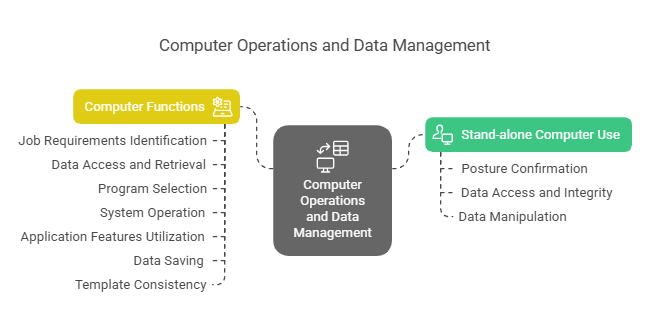
Computer systems in the Printing and Graphics industry seamlessly integrate with various processes and sectors. They are directly linked to design and marketing strategies, production and supply chain management, as well as customer relationship management (CRM). The integration facilitates a cohesive workflow that enables precision, quality, and timeliness.
Where can the student go to find out more information about using computer systems in this industry?
What job roles would be knowledgeable about using computer systems in this industry?
Roles include:
- Graphic Designers
- Prepress Technicians
- Printing Machine Operators
- IT Support in Print Sector
- Production Managers
What is using computer systems in the printing and graphic arts sectors like in relation to sports, family, or schools?

Just as sports teams use technology to analyse performance and create strategies for winning games, the printing and graphic arts sectors leverage computer systems to enhance their efficiency and creativity. In a family setting, it’s akin to utilising smart home devices to manage household tasks efficiently. In schools, it’s like integrating learning management systems to streamline educational delivery and enhance student engagement.
(The first edition of this post was generated by AI to provide affordable education and insights to a learner-hungry world. The author will edit, endorse, and update it with additional rich learning content.)
(Skillmaker – 2025)- About the Author
- More info

Workskill training for all

 Post Tagged with