
Manipulated Data in the Printing and Graphic Arts Sectors
Posted by SkillMaker in Mar, 2025
Use computer systems in the printing and graphic arts sectors
What is a concise description of manipulated data when using computer systems in the printing and graphic arts sectors?

In the context of the printing and graphic arts sectors, manipulated data refers to the process of digitally altering or enhancing graphic elements and printed materials to achieve desired outcomes. This includes using software tools to modify images, layouts, colours, and other design elements to create high-quality prints and visual content.
Listen to this article as a podcast
Why do people in the Printing and Graphics industry need to manipulate data?
People in the printing and graphics industry need to manipulate data to ensure the visual content they produce meets specific standards and client requirements. Data manipulation allows for creative flexibility, correction of image flaws, consistency in print quality, and alignment with brand aesthetics, leading to customer satisfaction and effective communication through visual media.
“Manipulating data in graphic arts enhances creativity, ensures quality, and aligns with brand identity, making visual content resonate with audiences.”
What are the key components or elements of data manipulation in this context?
Key components of data manipulation in the printing and graphic arts sectors include:
- Editing Software: Tools like Adobe Photoshop or Illustrator to alter images and designs.
- Image Correction: Adjusting colour balance, contrast, and brightness.
- Layout Design: Structuring elements on a page to enhance visual flow.
- Vector Graphics: Creating scalable images without loss of quality.
- Colour Management: Ensuring colours appear consistent across different media.
What key terms, with descriptions, relate to manipulated data in this industry?

Registered Trademark®
- Raster Graphics: Pixel-based graphics typically used for detailed images.
- Vector Graphics: Mathematically drawn lines and shapes for clean scaling.
- Transparency: The use of layers to control image visibility.
- Resolution: The detail an image holds, usually measured in DPI (dots per inch).
- Colour Model: RGB or CMYK systems used to reproduce colours accurately.
Who is typically engaged with operating or implementing data manipulation in this sector?
Graphic designers, prepress technicians, art directors, and print production specialists typically engage in manipulating data in the printing and graphic arts sectors. These professionals use their expertise to ensure that the final product meets aesthetic and technical quality standards.
How does data manipulation align or integrate with other components of the Printing and Graphics industry in Australia?
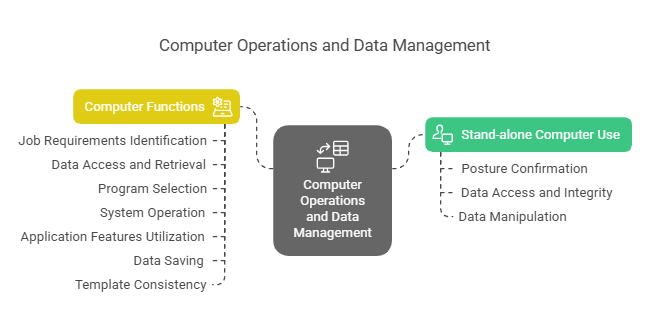
Data manipulation is integral to the workflow of the printing and graphics industry, aligning closely with elements like digital printing, prepress operations, and design conceptualization. It plays a crucial role in achieving high quality and cohesion in printed materials and visual communication strategies, ensuring individual design projects align with broader marketing and branding activities.
Where can the student go to find out more information about manipulated data in this industry?
What job roles would be knowledgeable about manipulated data in the Printing and Graphic Arts sector?
Roles include:
- Graphic Designers
- Prepress Technicians
- Art Directors
- Print Production Specialists
- Digital Media Artists
What is manipulated data in this industry like in relation to sports, family, or schools?

In relation to sports, manipulated data is like crafting the perfect strategy to showcase athletes’ skills through visually compelling media. In a family context, it’s akin to creating a well-organised photo album, capturing memories with beautiful adjustments. For schools, it parallels developing a yearbook or presentation, where attention to detail in visual elements enhances the storytelling and impact of educational experiences.
(The first edition of this post was generated by AI to provide affordable education and insights to a learner-hungry world. The author will edit, endorse, and update it with additional rich learning content.)
(Skillmaker – 2025)
- About the Author
- More info

Workskill training for all

 Post Tagged with