
Use-By Dates in Receiving, Storing, and Maintaining Stock
Posted by SkillMaker in Jan, 2025
What is a concise description of use-by dates when receiving, storing and maintaining stock?
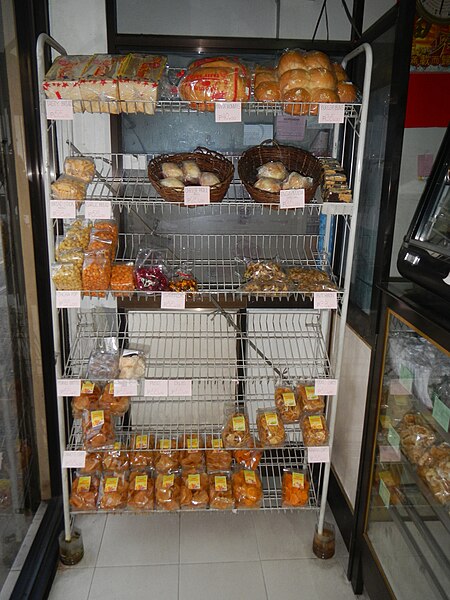
Use-by dates are crucial indicators found on perishable stock items that denote the deadline for safe consumption or usage. In the context of receiving, storing, and maintaining stock in hospitality and catering, these dates guide inventory management practices to ensure product safety and quality.
Why do people in enterprises need to focus on use-by dates when receiving, storing and maintaining stock?
Enterprises must prioritise use-by dates to prevent food spoilage and health risks. Observing these dates reduces waste, ensures customer safety, and maintains a venue’s reputation. Effective tracking and rotation of products based on use-by dates aid in operational efficiency and cost management.
“Prioritising use-by dates ensures product safety, minimises waste, and maintains quality standards in stock management.”
What are the key components or elements of managing use-by dates when receiving, storing and maintaining stock?
Key components in managing use-by dates include:
- Monitoring: Regular checks to track stock lifespan.
- Stock Rotation: Implementing FIFO (First In, First Out) to use products efficiently.
- Inventory Systems: Utilising software or logs to record and remind of approaching use-by dates.
- Training: Educating staff on the importance and handling of use-by dates.
- Supplier Communication: Ensuring suppliers provide items with appropriate shelf life.
What key terms, with descriptions, relate to use-by dates when receiving, storing and maintaining stock?

Registered Trademark®
- FIFO (First In, First Out): An inventory method arranging stock in chronological order of expiry to ensure older stock is used first.
- Perishable Goods: Items with a limited shelf life that require careful monitoring of use-by dates.
- Shelf Life: The duration for which a product remains safe and fit for consumption.
- Inventory Management System: Tools and software used to monitor and manage stock levels and expiration dates.
- Stocktake: A regular inventory count to verify records and track expiry information.
Who is typically engaged with operating or implementing use-by dates in stock management?
Roles such as inventory managers, kitchen staff, purchasing officers, and warehouse personnel are generally responsible for managing use-by dates. They ensure adherence to stock management practices for maintaining product quality and safety.
How do use-by dates align or integrate with other components of Hospitality and Catering?
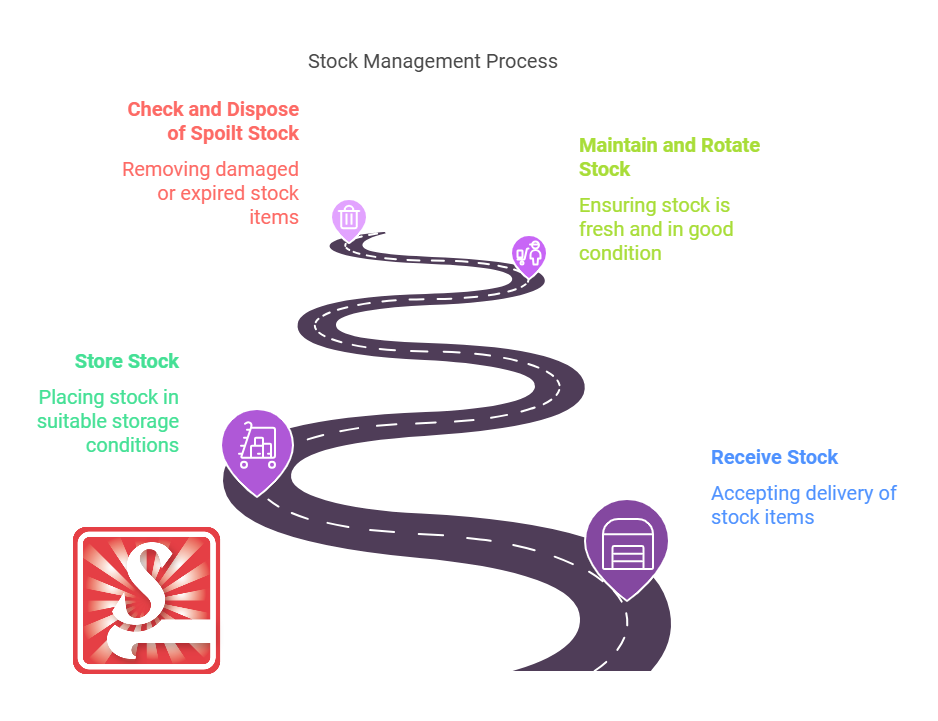
Use-by dates are integral to maintaining health and safety standards and ensuring food quality in hospitality and catering. They intersect with procurement, kitchen operations, and customer service by dictating menu planning, purchasing strategies, and waste reduction efforts.
Where can the student go to find out more information about managing use-by dates in stock?
What job roles would be knowledgeable about use-by dates in stock management?
Roles include:
- Inventory Managers
- Kitchen Staff
- Procurement Officers
- Stock Controllers
- Warehouse Personnel
What are use-by dates in stock management like in relation to sports, family, or schools?

In sports, managing use-by dates is similar to ensuring the team’s equipment is in peak condition through regular checks.
For families, it resembles organising pantry items and ensuring food is eaten before spoilage.
In schools, it reflects maintaining stationary supplies where expired resources are promptly replaced to support consistent learning environments.
(The first edition of this post was generated by AI to provide affordable education and insights to a learner-hungry world. The author will edit, endorse, and update it with additional rich learning content.)
- About the Author
- More info

Workskill training for all

 Post Tagged with