
Stock Handling Cleanliness in Receiving, Storing, and Maintaining Stock
Posted by SkillMaker in Jan, 2025
What is a concise description of stock handling cleanliness when receiving, storing, and maintaining stock?
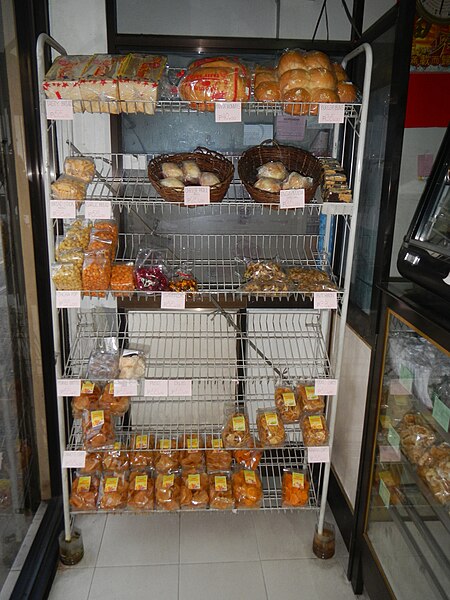
Stock handling cleanliness involves adhering to hygiene and cleanliness standards throughout the processes of receiving, storing, and maintaining stock in hospitality and catering environments. This includes ensuring a clean storage environment, following proper sanitation procedures, and maintaining personal cleanliness to uphold product quality and safety, which is crucial for the smooth operation of any enterprise.
Why do people in enterprises need stock handling cleanliness when receiving, storing, and maintaining stock?
Cleanliness in stock handling is critical for preventing contamination, ensuring the quality and safety of products, and maintaining good health standards. Enterprises in the hospitality and catering industry rely on these practices to deliver safe and high-quality food, enhancing customer trust and satisfaction. Effective cleanliness protocols can also reduce waste, prevent losses, and comply with food safety regulations.
“Proper cleanliness in stock handling safeguards quality, ensures safety, and builds trust, making it a vital component of successful stock management.”
What are the key components or elements of stock handling cleanliness?
Key components of stock handling cleanliness include:
- Sanitised Storage Areas: Regular cleaning and maintenance of stock storage facilities.
- Hygienic Handling Procedures: Use of clean equipment and personal protective gear.
- Proper Waste Management: Disposal systems to manage waste promptly and efficiently.
- Staff Training: Comprehensive training for staff on cleanliness protocols and hygiene practices.
- Regular Inspections: Conducting routine checks to identify and address cleanliness issues.
What key terms, with descriptions, relate to stock handling cleanliness?

Registered Trademark®
- HACCP (Hazard Analysis Critical Control Point): A systematic approach to food safety that identifies and controls hazards in food production.
- GMP (Good Manufacturing Practice): Guidelines that provide minimum requirements for the production methods and facilities to ensure products are safe and quality.
- Cross-Contamination: The transfer of harmful bacteria or substances between foods, surfaces, and equipment.
- Sanitation: Methods used to achieve a clean and hygienic environment.
- PPE (Personal Protective Equipment): Clothing and devices worn by workers to safeguard against contamination and maintain cleanliness.
Who is typically engaged with operating or implementing stock handling cleanliness?
Stockroom managers, kitchen staff, receiving clerks, and quality assurance personnel are typically engaged in maintaining cleanliness standards when handling stock. These roles ensure the correct procedures are followed to maintain hygiene and safety during all phases of stock handling.
How does stock handling cleanliness align or integrate with other components of Hospitality and Catering?
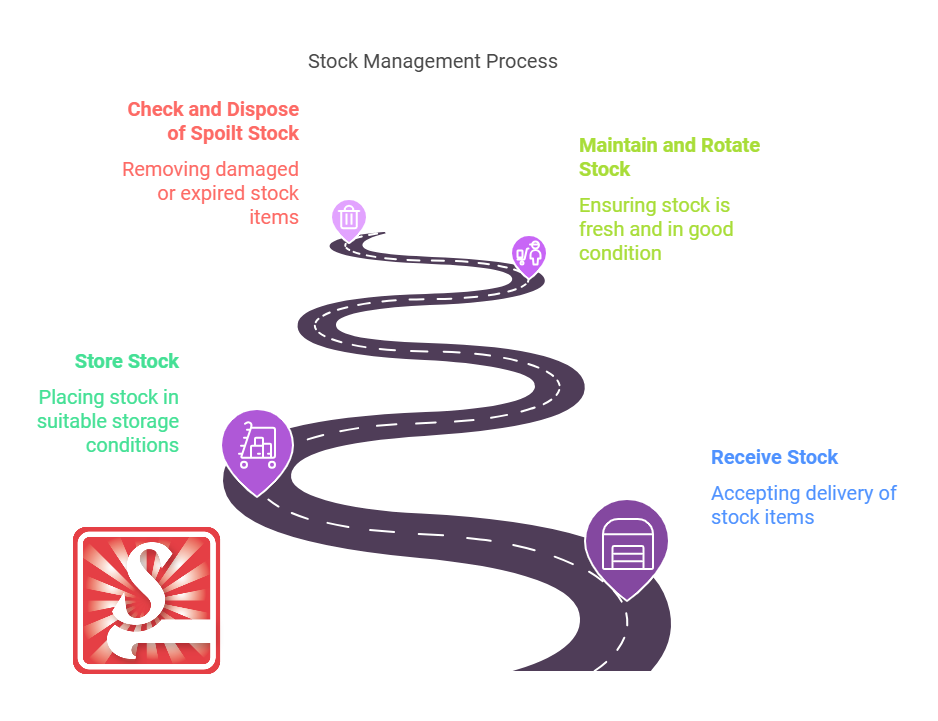
Stock handling cleanliness integrates with food preparation and service, inventory management, and customer service within hospitality settings. Accurate cleanliness practices impact food quality, safety, and customer satisfaction, linking various departments and workflows to uphold industry standards.
Where can the student go to find out more information about stock handling cleanliness?
What job roles would be knowledgeable about stock handling cleanliness?
Roles knowledgeable about stock handling cleanliness include:
- Stockroom Managers
- Kitchen Staff
- Quality Assurance Officers
- Receiving Clerks
- Sanitation Workers
What is stock handling cleanliness like in relation to sports, family, or schools?

In sports, stock handling cleanliness can be likened to the rigorous cleaning and maintenance of sports equipment to prevent infections and ensure performance.
In a family, it is akin to maintaining a clean kitchen to prevent foodborne illnesses and ensure nutritious meals.
In schools, cleanliness parallels maintaining a hygienic learning environment to keep students healthy and focused on their education.
(The first edition of this post was generated by AI to provide affordable education and insights to a learner-hungry world. The author will edit, endorse, and update it with additional rich learning content.)
- About the Author
- More info

Workskill training for all

 Post Tagged with