
Ensuring Item Quality When Receiving, Storing, and Maintaining Stock
Posted by SkillMaker in Jan, 2025
What is a concise description of ensuring item quality when receiving, storing, and maintaining stock?
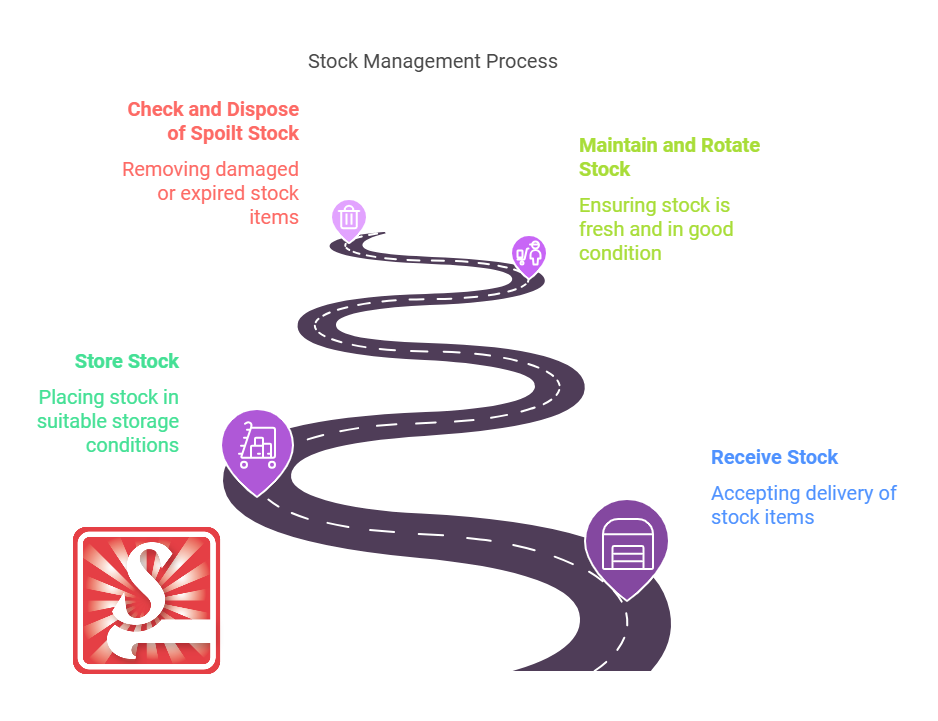
Ensuring item quality when receiving, storing, and maintaining stock involves implementing systematic checks and procedures to verify product condition upon arrival, monitor the storage environment, and maintain an organised inventory. This process aims to preserve the integrity of goods and uphold organisational standards, leading to efficient operations and customer satisfaction.
Why do people in enterprises need to ensure item quality in receiving, storing, and maintaining stock?
Ensuring item quality in these processes is critical for enterprises to prevent spoilage, reduce wastage, and maintain product standards. By doing so, businesses protect their investments, uphold reputations, and meet customer expectations consistently. This practice minimises financial loss and contributes to the operational efficiency and overall success of the company.
“Ensuring quality in receiving, storing, and maintaining stock is crucial for preserving the value and reliability of inventory, driving business success through excellence in supply chain management.”
What are the key components or elements of ensuring item quality in receiving, storing, and maintaining stock?
Key components include:
- Inspection Procedures: Verifying the quality and quantity of goods upon receipt.
- Storage Conditions: Maintaining appropriate temperature, humidity, and lighting to prevent deterioration.
- Inventory Management: Keeping accurate records of stock levels and locations.
- Quality Control Audits: Regularly reviewing inventory to identify and address any issues.
- Staff Training: Ensuring team members understand quality protocols and their importance.
What key terms, with descriptions, relate to ensuring item quality in receiving, storing, and maintaining stock?

Registered Trademark®
- Receiving Checklist: A formal document used to track the inspection and verification of incoming goods.
- FIFO (First In, First Out): An inventory valuation method that assumes that the first items placed in inventory are the first sold.
- Stock Rotation: The practice of organising inventory to use older stock first and minimize waste.
- Perishables Management: Special procedures for handling items that have limited shelf life.
- Damaged Goods Policy: Protocols for dealing with stock that arrives or becomes damaged.
Who is typically engaged with operating or implementing item quality procedures in receiving, storing, and maintaining stock?
Roles such as inventory controllers, receiving clerks, quality assurance personnel, and warehouse managers are typically engaged in the processes that ensure item quality when receiving, storing, and maintaining stock. These roles are vital for executing and monitoring strategies to sustain optimal stock conditions.
How does ensuring item quality in receiving, storing, and maintaining stock align or integrate with other components of Hospitality and Catering?
Ensuring item quality integrates naturally with broader hospitality and catering operations by supporting menu consistency, customer satisfaction, and cost control. It directly impacts budgeting, purchasing efficiency, and provides valuable data for inventory planning and menu development, thereby enhancing overall service delivery and guest experience.
Where can the student go to find out more information about ensuring item quality in receiving, storing, and maintaining stock?
What job roles would be knowledgeable about ensuring item quality in receiving, storing, and maintaining stock?
Roles include:
- Inventory Controllers
- Warehouse Supervisors
- Stockroom Clerks
- Quality Assurance Specialists
- Procurement Officers
What is ensuring item quality when receiving, storing, and maintaining stock like in relation to sports, family, or schools?

In the context of sports, ensuring item quality resembles a coach’s strategy to maintain a team’s peak performance by regularly evaluating fitness and skills. In a family setting, it reflects the careful management of household supplies to avert waste and ensure that essentials are always available. Within schools, it parallels the structured systems used to track and maintain educational resources, ensuring they are in good condition for student use at all times.
(The first edition of this post was generated by AI to provide affordable education and insights to a learner-hungry world. The author will edit, endorse, and update it with additional rich learning content.)
- About the Author
- More info

Workskill training for all

 Post Tagged with