
Cross-Contamination Protection in Receiving, Storing, and Maintaining Stock
Posted by SkillMaker in Jan, 2025
What is a concise description of cross-contamination protection when receiving, storing, and maintaining stock?
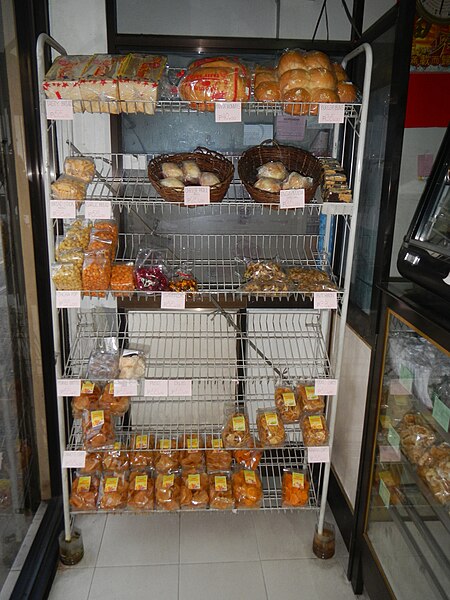
Cross-contamination protection involves implementing protocols and procedures to prevent harmful bacteria or allergens from being transferred from one stock to another during receipt, storage, and maintenance. This practice is essential in maintaining the quality and safety of products in the hospitality and catering industry.
Why do people in enterprises need cross-contamination protection when handling stock?
Enterprises in the hospitality and catering sectors need cross-contamination protection to ensure food safety, prevent foodborne illnesses, and comply with health regulations. This not only safeguards customer health but also protects the business from legal issues and potential damage to reputation arising from contamination incidents.
“Effective cross-contamination protection is fundamental to food safety, ensuring that hospitality enterprises maintain high standards and customer trust.”
What are the key components or elements of cross-contamination protection in stock management?
Key components of cross-contamination protection include:
- Segregated Storage: Storing raw and cooked products separately to prevent contact.
- Cleaning Protocols: Implementing rigorous cleaning schedules and methods for all storage areas and equipment.
- Temperature Control: Ensuring optimal refrigeration and freezing conditions to inhibit bacterial growth.
- Personal Hygiene: Enforcing strict hygiene practices for staff, including the use of gloves and sanitary clothing.
- Labelling: Accurate labelling and dating of stock to ensure proper usage and rotation.
What key terms, with descriptions, relate to cross-contamination protection?

Registered Trademark®
- Hazard Analysis and Critical Control Points (HACCP): A system that identifies and manages food safety through analysis and control of biological, chemical, and physical hazards.
- Sanitation Standard Operating Procedures (SSOPs): Detailed cleaning and sanitizing protocols to prevent contamination.
- Pathogens: Microorganisms that can cause diseases, often spread through cross-contamination.
- Foodborne Illness: Diseases transmitted to people through contaminated food.
- Allergens: Substances that can cause allergic reactions when mismanaged in mixed stock.
Who is typically engaged with operating or implementing cross-contamination protection in stock management?
Chefs, kitchen staff, storage managers, and food safety officers are typically responsible for implementing cross-contamination protection protocols. Their roles involve ensuring that stock handling practices meet safety standards to protect consumers and the business.
How does cross-contamination protection integrate with other components of Hospitality and Catering?
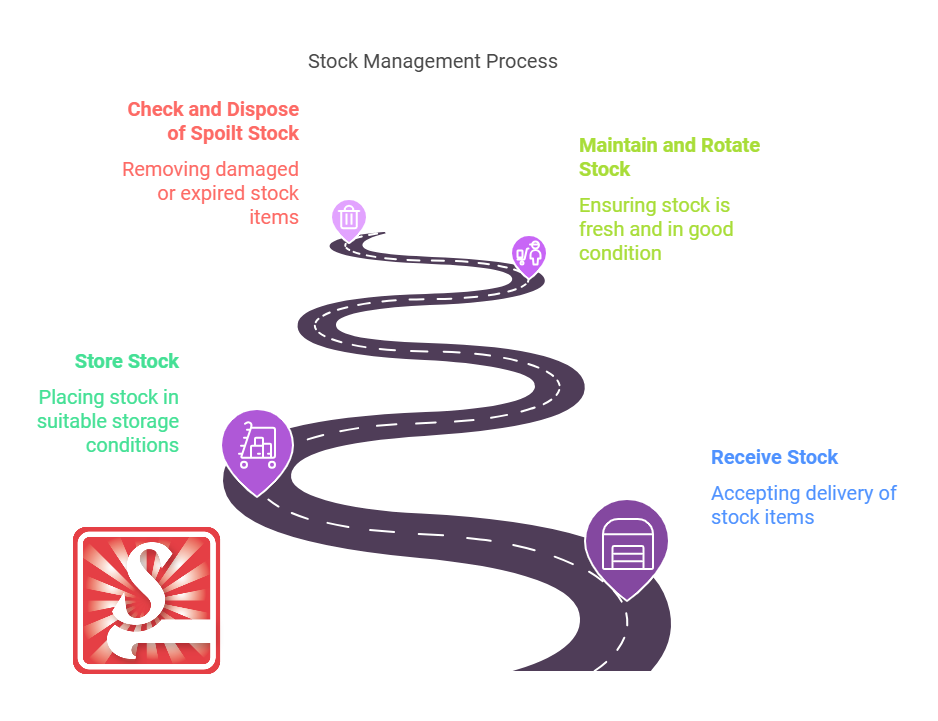
Cross-contamination protection integrates with kitchen operations, menu planning, and overall customer service in hospitality and catering. By maintaining high food safety standards, businesses can ensure product quality, support their brand’s reputation, and enhance customer experience.
Where can the student go to find out more information about cross-contamination protection in stock management?
What job roles would be knowledgeable about cross-contamination protection in stock management?
Roles include:
- Food Safety Officers
- Chefs and Kitchen Managers
- Stock Controllers
- Quality Assurance Managers
- HACCP Coordinators
What is cross-contamination protection like in relation to sports, family, or schools?

Cross-contamination protection is similar to ensuring personal hygiene in sports teams to prevent illness, promoting a clean and safe home environment for a family, or teaching schools about the importance of hygiene practices. Each involves diligent practices and guidelines to maintain safety and well-being.
(The first edition of this post was generated by AI to provide affordable education and insights to a learner-hungry world. The author will edit, endorse, and update it with additional rich learning content.)
- About the Author
- More info

Workskill training for all

 Post Tagged with