
Improving Team Efficiency in Cleaning Kitchen Premises and Equipment
Posted by SkillMaker in Jan, 2025
What is a concise description of improving team efficiency in cleaning kitchen premises and equipment?
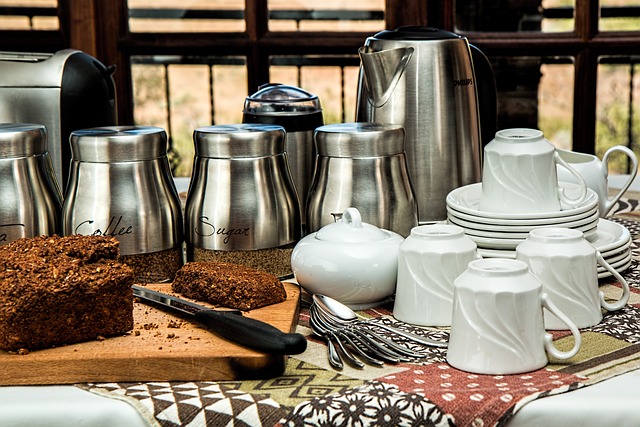
Improving team efficiency in cleaning kitchen premises and equipment involves streamlining processes, enhancing communication, and implementing effective time management strategies. This not only ensures cleanliness and hygiene but also fosters a cohesive work environment where tasks are completed correctly and promptly.
Why do people in enterprises need efficient team strategies for cleaning kitchen premises and equipment?
Enterprises need efficient team strategies for cleaning kitchen premises and equipment to uphold high hygiene standards crucial in the hospitality and catering industries. An efficient cleaning team minimizes downtime, reduces contamination risks, and enhances the overall guest experience, thereby supporting the reputation and operational success of the establishment.
“An efficient cleaning team not only ensures hygiene but also enhances operational workflow, directly impacting the dining experience and customer satisfaction.”
What are the key components or elements of team efficiency when cleaning kitchen premises and equipment?
Key components of team efficiency when cleaning kitchen premises and equipment include:
- Clear Roles and Responsibilities: Assigning specific tasks to each team member to avoid overlaps and ensure accountability.
- Effective Communication: Open channels for information sharing and feedback to streamline processes.
- Training: Regular training sessions to keep the team up-to-date with the latest cleaning techniques and safety protocols.
- Access to Tools and Supplies: Ensuring all necessary cleaning materials are readily available and well-maintained.
- Time Management: Strategically planning cleaning schedules to fit within the operational hours without disrupting services.
What key terms, with descriptions, relate to team efficiency in cleaning kitchen premises and equipment?

Registered Trademark®
- Standard Operating Procedures (SOPs): Detailed instructions for performing routine cleaning tasks to maintain consistency and efficiency.
- Personal Protective Equipment (PPE): Gear such as gloves and aprons used to protect workers from contaminants.
- Team Dynamics: The behavioural relationships between team members that influence team cohesion and productivity.
- Workflow Optimization: Improving the way processes are carried out to reduce time and resource waste.
- Hazard Analysis: Identifying potential hazards to ensure safe and efficient cleaning operations.
Who is typically engaged with operating or implementing team efficiency in cleaning kitchen premises and equipment?
Kitchen supervisors, head chefs, and cleaning staff are typically responsible for implementing team efficiency in cleaning kitchen premises and equipment. These roles work collaboratively to ensure that cleaning tasks are completed to the highest standards within the required timeframes.
How does team efficiency align or integrate with other components of Hospitality and Catering?
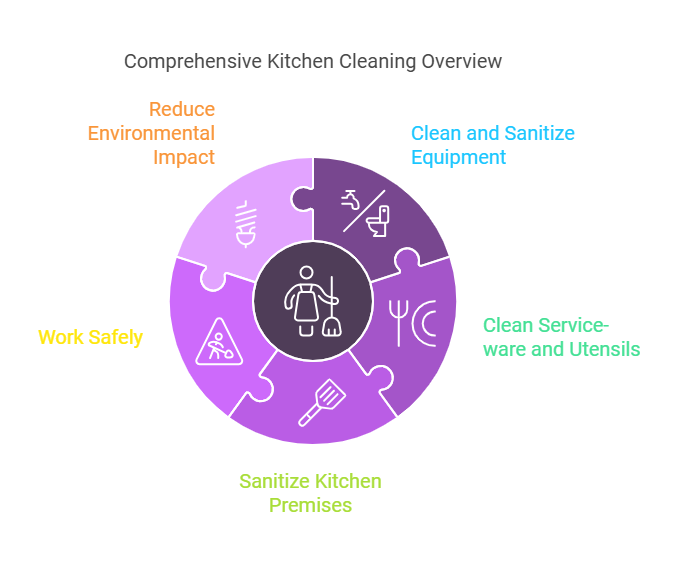
Team efficiency in cleaning kitchen premises aligns with other components of Hospitality and Catering by ensuring operational excellence and customer satisfaction. Efficient cleaning teams support the kitchen staff’s ability to deliver high-quality culinary experiences and contribute to an establishment’s ability to maintain regulatory compliance and brand reputation.
Where can the student go to find out more information about team efficiency in cleaning kitchen premises and equipment?
- Australian Hotels Association
- Foodservice Suppliers Association Australia
- Restaurant & Catering Australia
What job roles would be knowledgeable about team efficiency in cleaning kitchen premises and equipment?
Roles include:
- Kitchen Supervisors
- Head Chefs
- Cleaning Managers
- Hygiene Officers
- Operations Managers
What is team efficiency in cleaning kitchen premises and equipment like in relation to sports, family, or schools?

Team efficiency in cleaning kitchen premises is akin to a sports team working together to achieve victory through coordinated efforts and roles. Much like a family maintaining a household with organised routines, or a school ensuring a structured learning environment, efficient cleaning teams rely on collaboration, proper planning, and clear communication to achieve their goals.
(The first edition of this post was generated by AI to provide affordable education and insights to a learner-hungry world. The author will edit, endorse, and update it with additional rich learning content.)
- About the Author
- More info

Workskill training for all

 Post Tagged with