
Organisational Procedures for Cleaning Kitchen Premises and Equipment
Posted by SkillMaker in Jan, 2025
What is a concise description of organisational procedures for cleaning kitchen premises and equipment?
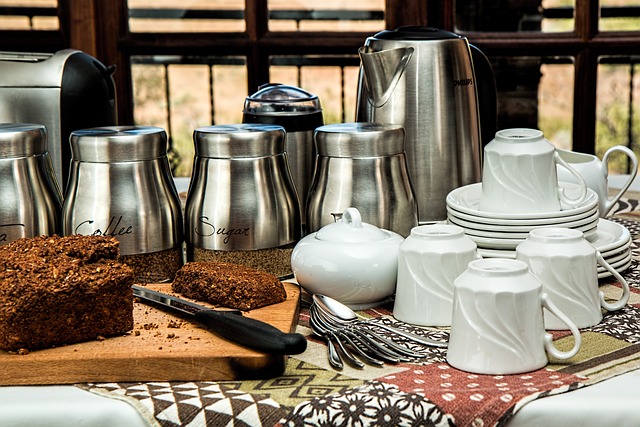
Organisational procedures for cleaning kitchen premises and equipment involve a systematic approach to maintain hygiene and operational standards. These procedures encompass using specific cleaning methods, following industry regulations, ensuring safety, and employing suitable cleaning products to sustain a clean and safe kitchen environment conducive to food safety.
Why do people in enterprises need organisational procedures for cleaning kitchen premises and equipment?
Enterprises require organisational procedures for cleaning kitchen premises and equipment to ensure compliance with health and safety regulations, thereby preventing food contamination and safeguarding public health. Effective cleaning protocols enhance workplace safety, reduce the risk of pest infestation, preserve equipment, and foster an environment that promotes efficiency and staff morale.
“Well-structured cleaning procedures are integral to maintaining a safe and sanitary kitchen environment, ensuring quality and trust in food services.”
What are the key components or elements of organisational procedures for cleaning kitchen premises and equipment?
Key components include:
- Standard Operating Procedures (SOPs): Defined steps for effective cleaning processes.
- Cleaning Schedules: Timely cleaning routines to ensure consistency and regularity.
- Safety Guidelines: Protocols to protect staff during cleaning activities.
- Compliance with Regulations: Adherence to health and safety standards.
- Resource Management: Utilisation of appropriate cleaning tools and products.
What key terms, with descriptions, relate to organisational procedures for cleaning kitchen premises and equipment?
- Sanitisation: The process of reducing bacteria to safe levels to ensure food safety.
- Cross-Contamination: Preventative measures to avoid the transfer of harmful substances that could affect food safety.
- Personal Protective Equipment (PPE): Gear used to protect individuals from health and safety hazards during cleaning.
- Dilution Ratios: Correct proportions of cleaning agents to water to ensure efficacy and safety.
- Food Safety Standards: Regulations governing the safe preparation, handling, and storage of food.
Who is typically engaged with operating or implementing organisational procedures for cleaning kitchen premises and equipment?
Responsibilities typically fall to kitchen staff, including kitchen hands, chefs, and cleaning supervisors, who are trained to implement these procedures effectively. Additionally, managers ensure that compliance and reporting are maintained, while cleaning personnel execute daily tasks to keep kitchen areas and equipment in top condition.
How do organisational procedures for cleaning kitchen premises and equipment align or integrate with other components of Hospitality and Catering?
These procedures align closely with food preparation protocols, health inspections, staff training, and overall kitchen management. They ensure that all areas of kitchen operations run smoothly, integrating cleanliness with food quality and safety standards, which are critical to customer satisfaction and business reputation in Hospitality and Catering.
Where can the student go to find out more information about organisational procedures for cleaning kitchen premises and equipment?
What job roles would be knowledgeable about organisational procedures for cleaning kitchen premises and equipment?
Roles include:
- Head Chefs
- Kitchens Hands
- Cleaning Supervisors
- Food Safety Officers
- Hospitality Managers
What are organisational procedures for cleaning kitchen premises and equipment like in relation to sports, family, or schools?

In sports, sticking to organised cleaning procedures resembles keeping a playing field maintained and ready for safe, fair play. In a family setting, it could be likened to structured routines to maintain a clean house. Within schools, it parallels to maintaining cleanliness standards to ensure a safe, healthy learning environment, leading to an effective educational experience.
(The first edition of this post was generated by AI to provide affordable education and insights to a learner-hungry world. The author will edit, endorse, and update it with additional rich learning content.)
- About the Author
- More info

Workskill training for all

 Post Tagged with