
Maximizing Efficiency: Understanding Incoming Stock in Hospitality and Catering
Posted by SkillMaker in Jan, 2025
What is a concise description of incoming stock in the context of receiving, storing, and maintaining stock?
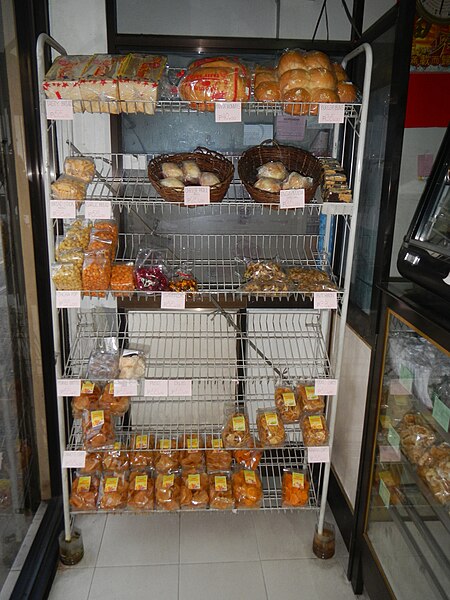
Incoming stock refers to the goods, materials, or products received by a hospitality or catering business that are meant for consumption or use in service operations. It encompasses the process of checking, verifying, and documenting stock upon its arrival, ensuring its quality, and storing it appropriately to maintain freshness and usability.
Why do people in enterprises need to efficiently manage incoming stock?
Efficient management of incoming stock is crucial for enterprises as it ensures the quality and quantity of goods received are as ordered, reducing waste and minimizing losses. It supports seamless operations by maintaining a steady supply of necessary products and ingredients, enhancing customer satisfaction, and optimizing operational costs through effective inventory control.
“Efficiently managing incoming stock ensures the backbone of service excellence in hospitality and catering, paving the way for streamlined operations and superior customer experience.”
What are the key components or elements of managing incoming stock?
Key components of managing incoming stock include:
- Verification: Checking the delivery against the purchase order for accuracy.
- Quality Control: Inspecting goods for quality and compliance with standards.
- Documentation: Recording received stock into inventory systems.
- Storage: Properly storing goods to maintain quality and availability.
- Communication: Liaising with suppliers for discrepancies or issues.
What key terms, with descriptions, relate to incoming stock management?
- Purchase Order (PO): A document issued to suppliers indicating types, quantities, and agreed prices for products or services.
- Goods Receipt: A document that confirms the receipt of ordered items.
- Stock Rotation: The practice of arranging existing stock so that older stock is used before new stock to minimize spoilage.
- Inventory Reconciliation: The process of ensuring recorded inventory matches physical stock.
- Supplier Relationship Management: Managing interactions with third-party companies that supply goods or services.
Who is typically engaged with operating or implementing incoming stock processes?
Roles such as stock controllers, purchasing officers, warehouse managers, kitchen staff, and logistics coordinators are typically involved in operating or implementing incoming stock processes. They ensure that stock is received, checked, and stored properly to support efficient operations.
How does managing incoming stock align or integrate with other components of Hospitality and Catering?
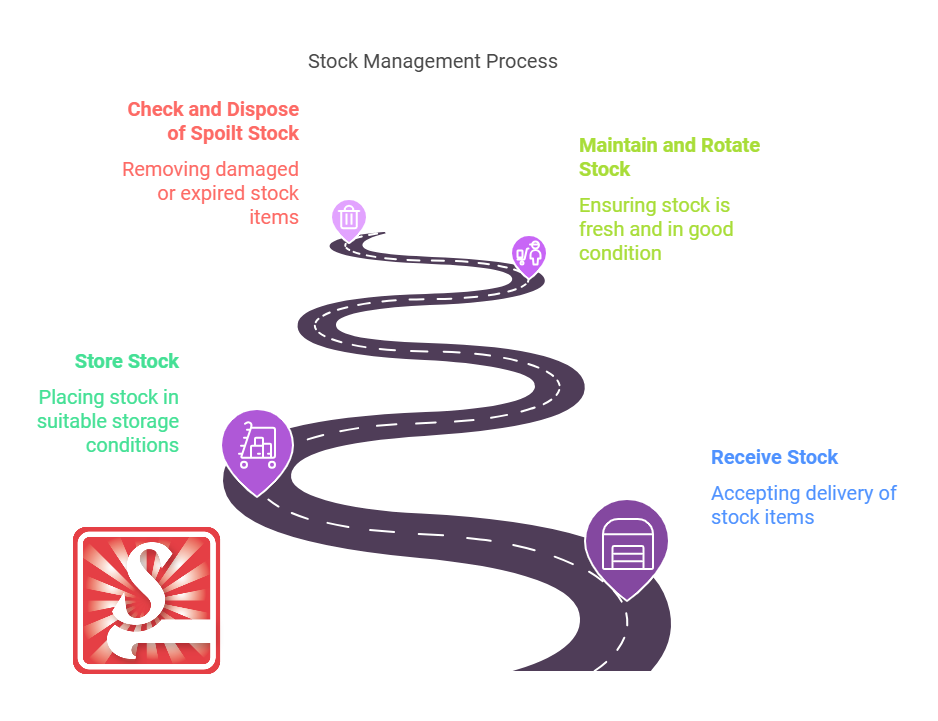
Managing incoming stock integrates with various facets of hospitality operations, including procurement, inventory management, and customer service. It ensures chefs have the necessary ingredients to create dishes, contributes to accurate financial management through inventory records, and upholds quality standards that impact guest experiences.
Where can the student go to find out more information about incoming stock processes?
What job roles would be knowledgeable about incoming stock processes?
Roles include:
- Stock Controllers
- Purchasing Officers
- Warehouse Managers
- Kitchen Managers
- Logistics Coordinators
What is managing incoming stock like in relation to sports, family, or schools?

In a sports team, managing incoming stock mirrors the meticulous tracking of player fitness and equipment availability to ensure the team is ready for the game. In a family context, it parallels maintaining the groceries needed to keep everyone fed and healthy. Within schools, it’s like ensuring that all educational materials and supplies are available for effective teaching and learning.
(The first edition of this post was generated by AI to provide affordable education and insights to a learner-hungry world. The author will edit, endorse, and update it with additional rich learning content.)
- About the Author
- More info

Workskill training for all

 Post Tagged with