
Managing Spoilt Stock in Hospitality: Best Practices and Key Insights
Posted by SkillMaker in Jan, 2025
What is a concise description of managing spoilt stock in hospitality operations?
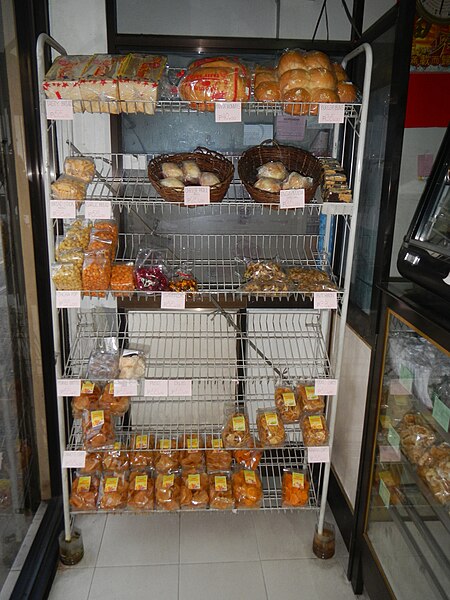
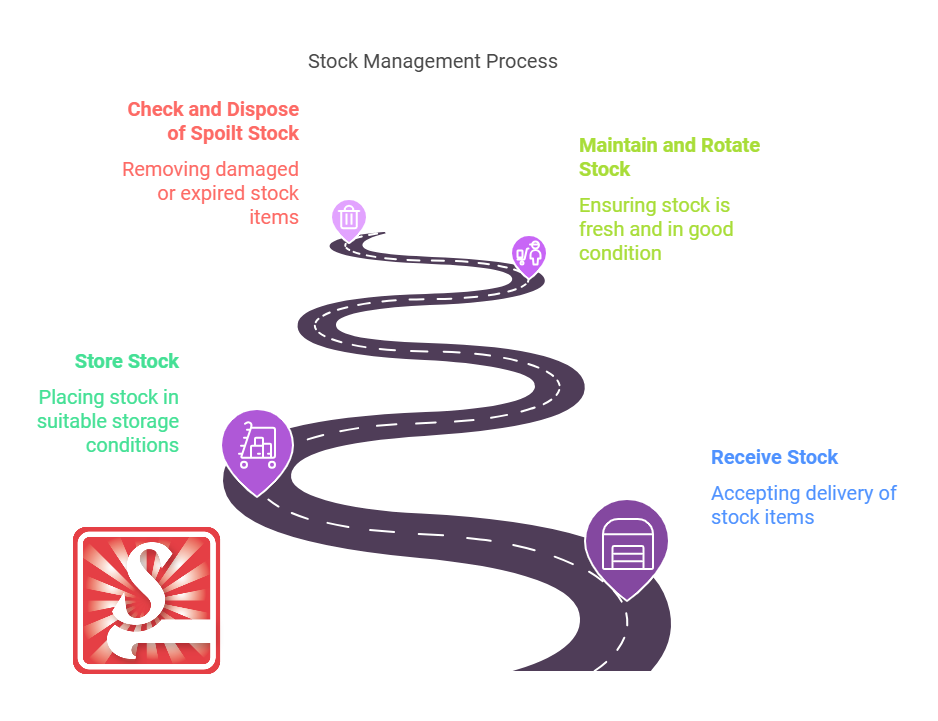
Managing spoilt stock within hospitality operations involves identifying, handling, and preventing stock from becoming unusable due to spoilage. This includes implementing measures for proper stock rotation, storage conditions, and inventory checks to minimise waste and ensure quality standards are maintained.
Why do people in enterprises need to manage spoilt stock in hospitality operations?
Enterprises in the hospitality sector need to manage spoilt stock effectively to minimise financial loss, maintain high standards of food safety, and ensure customer satisfaction. Efficient spoilage management reduces waste, optimises inventory, and ensures that only fresh and safe products are served, fostering a reliable brand reputation.
“Effective management of spoilt stock is key to reducing waste and ensuring high quality in the hospitality industry, sustaining business success and customer trust.”
What are the key components or elements of managing spoilt stock in hospitality operations?
Key components of managing spoilt stock include:
- Inventory Tracking: Regular monitoring of stock levels and expiry dates.
- Stock Rotation: Implementing the First-In, First-Out (FIFO) method.
- Storage Conditions: Adequate temperature and humidity controls in storage areas.
- Regular Inspections: Routine checks for signs of spoilage or contamination.
- Waste Management Policies: Strategies for disposing of spoilt stock responsibly.
What key terms, with descriptions, relate to managing spoilt stock in hospitality operations?

Registered Trademark®
- FIFO (First-In, First-Out): A stock rotation system ensuring the oldest items are used first.
- Expiry Date: The date by which a product should be used for optimal quality and safety.
- Contamination: The presence of harmful substances or microorganisms that spoil stock.
- Waste Management: Processes and practices for handling, disposing, and reducing waste.
- Stocktake: A comprehensive check and count of current stock levels.
Who is typically engaged with operating or implementing management of spoilt stock in hospitality operations?
Roles typically engaged in managing spoilt stock include kitchen managers, inventory controllers, chefs, and food and beverage managers. These individuals ensure the implementation of spoilage management practices, maintain quality standards, and adhere to waste reduction initiatives.
How does managing spoilt stock align or integrate with other components of Hospitality and Catering?
Managing spoilt stock integrates with food safety protocols, cost control measures, and sustainable practices within the hospitality sector. Efficient spoilage management supports compliance with health regulations, optimises resource use, and reflects an establishment’s commitment to environmental responsibility through waste reduction.
Where can the student go to find out more information about managing spoilt stock in hospitality operations?
- Food Standards Australia New Zealand
- Queensland Government – Waste Management
- Sustainability Victoria
What job roles would be knowledgeable about managing spoilt stock in hospitality operations?
Roles include:
- Inventory Controllers
- Food and Beverage Managers
- Chefs and Cooks
- Kitchen Managers
- Purchasing Officers
What is managing spoilt stock like in relation to sports, family, or schools?

In the context of sports, managing spoilt stock is like a team ensuring their gear and equipment are in top condition to perform optimally. In a family setting, it’s similar to reducing food waste by planning meals and shopping smartly. At schools, it reflects the practices of organising and maintaining supplies to support educational activities effectively without excess or shortfall.
(The first edition of this post was generated by AI to provide affordable education and insights to a learner-hungry world. The author will edit, endorse, and update it with additional rich learning content.)
- About the Author
- More info

Workskill training for all

 Post Tagged with