
Integrating Computer Functions in the Printing and Graphic Arts Sectors
Posted by SkillMaker in Mar, 2025
What is a concise description of computer functions in the printing and graphic arts sectors?

In the printing and graphic arts sectors, computer functions involve using digital tools and software to design, edit, and produce content for print and digital media. This encompasses tasks like graphic design, document formatting, color management, print preparation, and workflow automation, ensuring high-quality and efficient production.
Listen to this article as a podcast
Why do people in the Printing and Graphics industry need computer functions?
The adoption of computer functions in the printing and graphic arts sectors is crucial for enhancing accuracy, speed, and creativity. These digital tools streamline various tasks, promote innovative designs, and ensure quick turnaround times, making businesses more competitive. From initial design to final print, computers facilitate seamless operations, reducing the risk of errors and ensuring high-quality outputs.
“Computers in the printing and graphic arts sectors amplify creativity, streamline workflows, and ensure precision, driving industry standards to new heights.”
What are the key components or elements of computer functions in the printing and graphic arts sectors?
Key components of computer functions in this industry include:
- Design Software: Tools like Adobe Photoshop and Illustrator for creating visuals.
- Prepress Software: Preparing files for printing, including layout and proofreading.
- Digital Printing Systems: High-quality printers for precise outputs.
- Workflow Management: Software to automate and manage print production processes.
- Data Storage Solutions: Secure storage for managing large files and archives.
What key terms, with descriptions, relate to computer functions in the printing and graphic arts sectors?

Registered Trademark®
- Vector Graphics: Use of paths and points to create images scalable without quality loss.
- Raster Images: Bitmap graphics that are resolution-dependent.
- Color Management: Ensures consistent color across devices and media.
- Offset Printing: A common method where the image is transferred from a plate to a rubber blanket, then to the printing surface.
- Digital Proofing: A technique in which a digital file is used to produce a print that simulates the appearance of the final product.
Who is typically engaged with operating or implementing computer functions in this sector?
Graphic designers, prepress technicians, print operators, and IT specialists are the primary roles engaged in operating or implementing computer functions in the sector. They work synergistically to ensure that digital designs and print workflows are executed efficiently, maintaining a high standard of output quality.
How does this topic align or integrate with other components of the Australian Printing and Graphics industry?
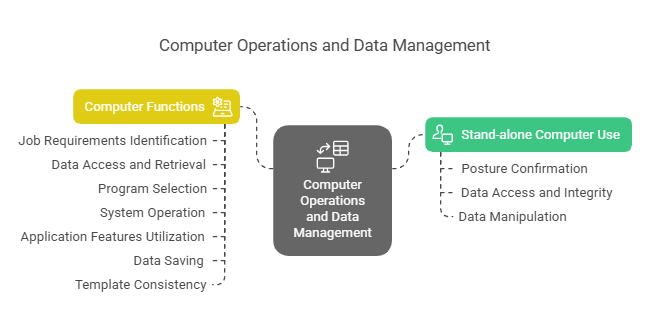
Computer functions in the printing and graphic arts sectors integrate seamlessly with other industry components, such as traditional printing techniques and new digital media channels. They provide the technological backbone for the creation and production processes, ensuring compatibility, efficiency, and adherence to modern quality standards across the board.
Where can the student go to find out more information about computer functions in this sector?
What job roles would be knowledgeable about this topic?
Roles include:
- Graphic Designers
- Prepress Technicians
- Print Operators
- Digital Media Specialists
- IT Support Staff
What is the topic like in relation to sports, family, or schools?

In sports, integrating computer functions mirrors using advanced analytics to maximize team performance and strategy. Within a family, it’s akin to leveraging smart home devices for efficient household management. In schools, computer functions in printing and graphic arts operate similarly to digital learning tools enhancing creativity and project execution, promoting an integrated approach to education and development.
(The first edition of this post was generated by AI to provide affordable education and insights to a learner-hungry world. The author will edit, endorse, and update it with additional rich learning content.)
(Skillmaker – 2025)- About the Author
- More info

Workskill training for all

 Post Tagged with