
Effective Management of Storage Areas in Stock Handling
Posted by SkillMaker in Jan, 2025
What is a concise description of managing storage areas in stock handling?
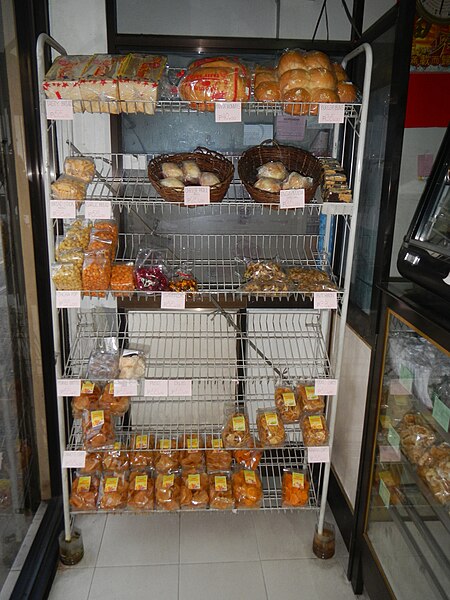
Managing storage areas in stock handling involves organising, categorising, and systematically using designated spaces to ensure the safe, efficient, and accessible storage of goods. This process ensures inventory is readily available for use or sale, helps maintain product quality, and maximises the facility’s storage capacity.
Why do people in enterprises need effective management of storage areas for stock handling?
Effective management of storage areas is crucial for enterprises to optimise space, ensure inventory accuracy, and maintain product quality. Proper organisation and management reduce waste, prevent spoilage, enhance safety, and improve operational efficiency. It ensures a streamlined workflow and enhances the service delivery speed, ultimately leading to increased customer satisfaction and profitability.
“Proper management of storage areas in stock handling fortifies operational effectiveness, ensuring quality, safety, and accessibility, which supports a thriving enterprise.”
What are the key components or elements of managing storage areas in stock handling?
Key components include:
- Organisation: Efficient layout and categorisation to facilitate easy access and retrieval.
- Security: Implementing security measures to protect stock from theft or damage.
- Environmental Management: Maintaining optimal conditions based on product requirements, such as temperature or humidity controls.
- Inventory Control: Regular checks to ensure stock levels reflect actual counts and conditions.
- Safety Standards: Compliance with health and safety regulations to prevent accidents or injuries.
What key terms, with descriptions, relate to managing storage areas in stock handling?

Registered Trademark®
- Stock Rotation: Using methods like FIFO (First In, First Out) to ensure older stock is used before newer batches.
- Inventory Audit: Periodic checks to verify stock quantities and conditions against records.
- Hazard Analysis: Identifying potential risks in the storage area and planning mitigation strategies.
- Space Utilisation: Maximising available space to increase efficiency and reduce costs.
- Climate Control: Regulating environmental factors to keep goods in peak condition.
Who is typically engaged with managing storage areas in stock handling?
Warehouse managers, stock controllers, and logistics coordinators are typically responsible for managing storage areas in stock handling. These roles are essential for maintaining organisational standards, ensuring compliance with safety measures, and implementing efficient stock management practices.
How does managing storage areas integrate with other components of Hospitality and Catering?
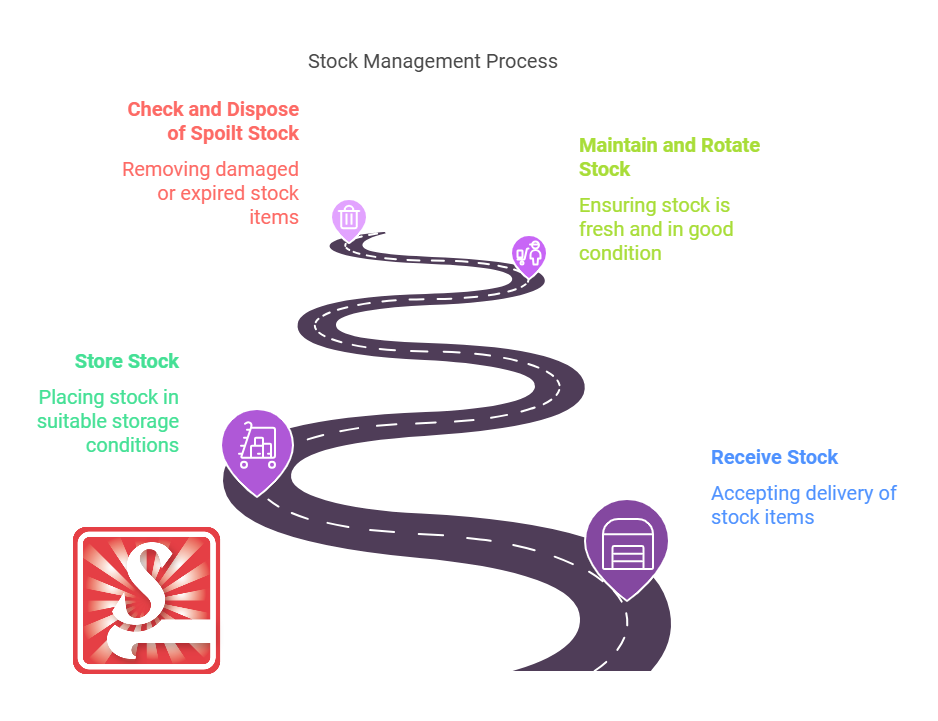
Managing storage areas aligns with inventory management and operational planning in Hospitality and Catering. Efficient storage ensures timely provisioning of ingredients or supplies needed for catering services, preventing delays and maintaining food quality and safety standards. This integration supports seamless operations, impacts menu planning, and enhances service delivery.
Where can the student go to find out more information about managing storage areas in stock handling?
What job roles would be knowledgeable about managing storage areas in stock handling?
Roles include:
- Warehouse Managers
- Stock Controllers
- Logistics Coordinators
- Inventory Auditors
- Quality Control Inspectors
What is managing storage areas in stock handling like in relation to sports, family, or schools?

Managing storage areas in stock handling is similar to organising gear in a sports team’s locker room, where each item must be readily accessible and in good condition for optimal performance. In a family context, it mirrors maintaining an orderly pantry at home, ensuring all family members find essentials easily and at their best quality. For schools, it parallels with managing classroom supplies systematically to aid seamless teaching and learning processes.
(The first edition of this post was generated by AI to provide affordable education and insights to a learner-hungry world. The author will edit, endorse, and update it with additional rich learning content.)
- About the Author
- More info

Workskill training for all

 Post Tagged with