
Required Personnel When Assisting with Maintaining Workplace Safety
Posted by SkillMaker in Dec, 2024
What is a concise description of the role of required personnel in maintaining workplace safety?
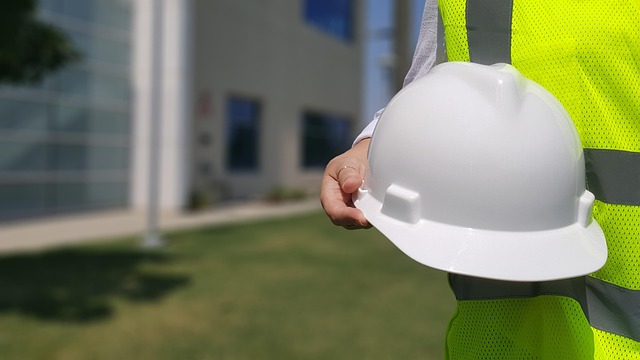
Required personnel in maintaining workplace safety include individuals who are integral to developing, implementing, and monitoring safety strategies and practices within an organisation. These personnel ensure compliance with safety regulations, identify potential hazards, and foster a culture of safety across all levels of the workplace.
Why do people in enterprises need required personnel for maintaining workplace safety?
Enterprises need dedicated personnel to maintain workplace safety to safeguard employees from potential hazards and ensure a safe working environment. This not only ensures compliance with legal regulations but also minimizes workplace injuries and associated costs, enhances employee morale and productivity, and reduces the likelihood of operational disruptions. Safety personnel play a vital role in reinforcing organisational culture and responsibility towards health and safety standards.
“Having the right personnel in place to maintain workplace safety is essential to creating a secure and efficient environment where everyone can thrive.”
What are the key components or elements of the role of required personnel in workplace safety?
Key components of the role of required personnel in workplace safety include:
- Hazard Identification: Recognizing potential risks and hazards in the workplace.
- Risk Assessment: Prioritizing risk factors and implementing safety measures accordingly.
- Compliance Monitoring: Ensuring adherence to workplace safety laws and regulations.
- Training and Education: Conducting safety training and educating employees about safe practices.
- Incident Response: Responding to safety incidents effectively and maintaining records.
What key terms, with descriptions, relate to the role of required personnel in workplace safety?

Registered Trademark®
- Occupational Health and Safety (OHS): A multidisciplinary field concerned with the safety, health, and welfare of people at work.
- Personal Protective Equipment (PPE): Equipment that is used or worn to minimize exposure to workplace hazards.
- Risk Management: The process of identifying, assessing, and controlling threats to an organization’s capital and earnings.
- Workplace Safety Culture: The shared beliefs, practices, and attitudes that exist within an organization regarding safety.
- Incident Report: A formal recording of the facts related to a workplace accident or incident.
Who is typically engaged with operating or implementing roles related to maintaining workplace safety?
Roles typically engaged in maintaining workplace safety include health and safety officers, safety managers, site supervisors, and human resource professionals. Together, these personnel ensure that safety protocols are followed, provide necessary training, and work to prevent workplace incidents and accidents.
How do the roles of required personnel in workplace safety align or integrate with other components of Workplace Safety?
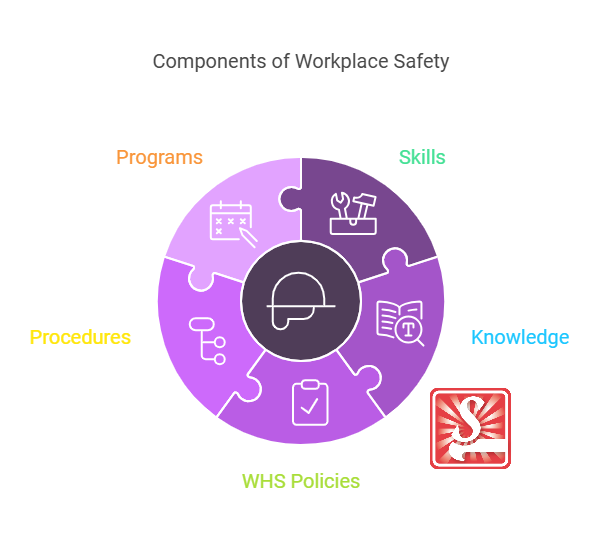
The roles of personnel in workplace safety are interconnected with overall safety strategies by implementing policies that advocate for workers’ health. Safety personnel coordinate with departments to ensure comprehensive safety practices that align with organisational objectives, regulatory requirements, and risk management strategies, thereby contributing to overall operational integrity.
Where can the student go to find out more information about required personnel in workplace safety?
What job roles would be knowledgeable about maintaining workplace safety?
Roles include:
- Health and Safety Officers
- Site Safety Supervisors
- Safety Managers
- Human Resources Managers
- Compliance Specialists
What is the role of required personnel in workplace safety like in relation to sports, family, or schools?

In a sports context, maintaining workplace safety is akin to a coach ensuring all players adhere to game rules and techniques to prevent injuries and play efficiently. Within a family, it reflects the proactive management of household safety, preventing accidents and establishing procedures for emergencies. In schools, it parallels ensuring a safe learning environment by implementing safety measures and procedures to protect students and staff.
(The first edition of this post was generated by AI to provide affordable education and insights to a learner-hungry world. The author will edit, endorse, and update it with additional rich learning content.)
- About the Author
- More info

Workskill training for all

 Post Tagged with