
Templates and Style Sheets in the Printing and Graphic Arts Sectors
Posted by SkillMaker in Mar, 2025
What are templates and style sheets in the printing and graphic arts sectors?

In the printing and graphic arts sectors, templates and style sheets are essential tools for ensuring consistency and efficiency in design projects. Templates provide a pre-designed layout or structure for documents, while style sheets define the presentation and formatting elements, such as fonts, colours, and spacing. Together, they streamline the design process by maintaining uniformity across various materials.
Listen to this article as a podcast
Why do people in the Printing and Graphics industry need templates and style sheets?
Templates and style sheets are crucial for maintaining brand consistency and improving workflow efficiency. They help designers save time by providing consistent layouts and styles, reducing repetitive tasks. These tools ensure that every project aligns with the company’s branding, reducing errors and enhancing the visual appeal of printed and digital graphic materials.
“Templates and style sheets are the backbone of efficient and consistent design practices, ensuring brand integrity and streamlined workflow.”
What are the key components or elements of templates and style sheets?
Key components of templates and style sheets include:
- Pre-Designed Layouts: Templates offer ready-made designs which can be customised to fit the specific needs of each project.
- Typography: Style sheets define the fonts, sizes, and text styles to be used across documents for consistency.
- Colour Palettes: A set of approved colours for maintaining brand integrity.
- Spacing and Margins: Consistent sizing and alignment elements ensure neat and professional layouts.
- Graphic Styles: Specifications for images, icons, and graphics that align with brand aesthetics.
What key terms, with descriptions, relate to templates and style sheets?

Registered Trademark®
- Master Page: A template element that includes recurring items such as headers, footers, and page numbers.
- Style Guide: A comprehensive document outlining the use of style sheets for various design elements.
- Cascading Style Sheets (CSS): Used primarily in web design, these define the look and formatting of HTML documents.
- Template File (e.g., .psd, .ai): Files that provide a base structure for creative projects.
- Brand Book: A document that details a company’s visual and voice identity, often linked to templates and style sheets.
Who is typically engaged with operating or implementing templates and style sheets?
Graphic designers, print professionals, web developers, and branding specialists are typically responsible for operating and implementing templates and style sheets. Their expertise ensures that all media is consistent and visually appealing.
How do templates and style sheets align or integrate with other components of the Printing and Graphics industry in Australia?
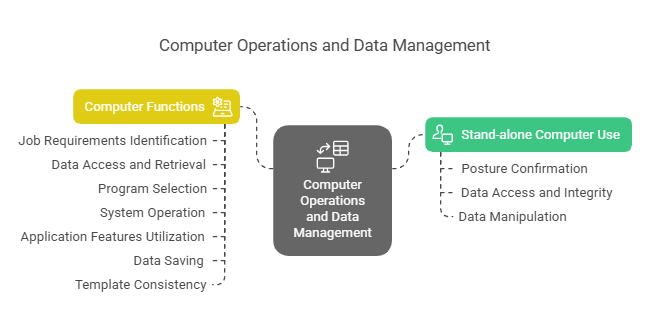
Templates and style sheets integrate seamlessly with the broader graphic design and printing workflow by promoting uniformity and precision. They align with printing processes, where maintaining exact colour and layout specifications is crucial, and support digital design where seamless branding across different platforms is important.
Where can the student go to find out more information about templates and style sheets?
What job roles would be knowledgeable about templates and style sheets?
Roles include:
- Graphic Designers
- Web Developers
- Print Production Specialists
- Creative Directors
- Brand Managers
What is using templates and style sheets like in relation to sports, family, or schools?

In sports, using templates and style sheets is like having a playbook that ensures every player knows the game plan and positions. In a family, it’s similar to a set routine that keeps everyone on track. Within schools, it resembles a curriculum guideline that ensures consistency in teaching and learning activities, ensuring that standards are uniformly met.
(The first edition of this post was generated by AI to provide affordable education and insights to a learner-hungry world. The author will edit, endorse, and update it with additional rich learning content.)
(Skillmaker – 2025)- About the Author
- More info

Workskill training for all

 Post Tagged with