
Managing Excess Stock in Hospitality and Catering
Posted by SkillMaker in Jan, 2025
What is a concise description of managing excess stock when receiving, storing, and maintaining stock?
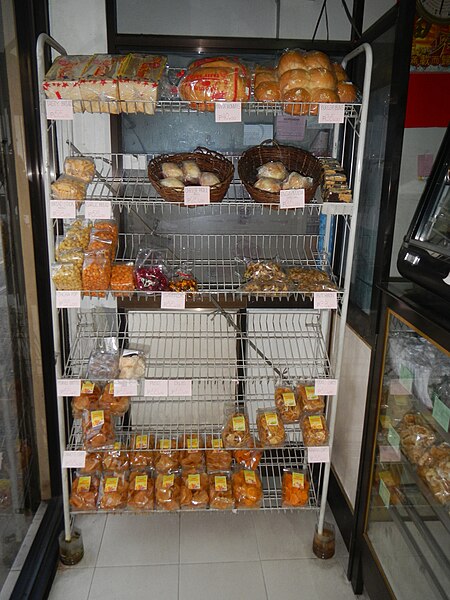
Managing excess stock entails strategically handling surplus inventory during the receiving, storing, and maintaining processes. It involves controlling inventory levels to prevent overstock, which can lead to waste, increased storage costs, and cash flow issues. Effective management ensures that stock levels align with demand forecasts and facilitate smooth operations in hospitality and catering environments.
Why do people in enterprises need to manage excess stock?
Enterprises need to manage excess stock to optimise resources and mitigate financial losses. Proper management of surplus inventory prevents spoilage and obsolescence, reducing waste and associated disposal costs. Efficient stock management also enhances the operational efficiency of hospitality businesses by ensuring available storage space is maximized and preventing unnecessary expenditure.
“Controlling excess stock is key to maintaining financial health and operational efficiency in hospitality environments, turning potential waste into opportunity.”
What are the key components or elements of managing excess stock?
Key components of managing excess stock include:
- Accurate Forecasting: Predicting demand accurately to reduce overordering.
- Inventory Audits: Regular checks to track stock levels against expected usage.
- Efficient Stock Rotation: Using older stock first to minimise waste through FIFO (First In First Out) methods.
- Sale Strategies: Promoting excess items to reduce surplus quickly.
- Supplier Collaboration: Working with suppliers on flexible delivery terms and return options.
What key terms, with descriptions, relate to managing excess stock?

Registered Trademark®
- Overstock: Excessive stock beyond current demand, leading to increased holding costs.
- Demand Forecasting: Using historical data to predict future inventory requirements.
- Stock Rotation: Systematic process of using older stock first to minimize waste.
- Holding Costs: Expenses associated with storing unsold inventory, including warehousing and insurance.
- Shrinkage: Loss of inventory due to factors like theft, damage, or error.
Who is typically engaged with operating or implementing excess stock management?
Warehouse managers, purchasing officers, supply chain coordinators, and inventory controllers are usually responsible for implementing excess stock management. They ensure that inventory levels are efficiently monitored and that any surplus is addressed proactively to align with operational needs.
How does managing excess stock align or integrate with other components of Hospitality and Catering?
Managing excess stock integrates with procurement, menu planning, and sustainability initiatives within the hospitality and catering sectors. It ensures a seamless flow of inventory that complements culinary operations by aligning stock levels with menu offerings and demand, reducing impact on the environment through decreased waste.
Where can the student go to find out more information about managing excess stock?
- Australian Government business information site
- Australian Institute of Refrigeration, Air Conditioning and Heating
- Hospitality Professionals Association
What job roles would be knowledgeable about managing excess stock?
Roles include:
- Inventory Managers
- Procurement Officers
- Supply Chain Analysts
- Warehouse Supervisors
- Logistics Coordinators
What is managing excess stock like in relation to sports, family, or schools?

In sports, managing excess stock is similar to a team ensuring they have the right equipment at the right time, avoiding over-preparation that could lead to unnecessary logistical headaches. In a family, it’s akin to ensuring the pantry is stocked with what is needed for meals, avoiding excess that could lead to waste. In schools, it reflects keeping just enough materials and supplies on hand to accommodate students without excess surplus that may become outdated or unnecessary.
(The first edition of this post was generated by AI to provide affordable education and insights to a learner-hungry world. The author will edit, endorse, and update it with additional rich learning content.)
- About the Author
- More info

Workskill training for all

 Post Tagged with